

We Build Community Connection Between Calls

We Build Community Connection Between Calls
Emergency response is our top priority, but the moments between dispatches offer a powerful opportunity to build public trust & support.

By John Vance
B Shifter Buckslip, Sept. 22, 2026

Key Takeaways

  • Trust is built one interaction at a time.
  • People can’t value what they don’t understand.
  • Public education is prevention.
  • Every firefighter represents the department.
  • Readiness and community engagement can coexist.
  • Every firefighter is an ambassador.

A few months ago, I read a post from a national fire service publication editor suggesting that in-service fire companies should not be used for public education or public relations events. The argument was straightforward: Companies should remain available for emergency response, and community events can distract from the primary mission.

I understand the concern. Emergency response always comes first. If an engine is committed to a public education event and a call comes in, that company needs to clear immediately and respond. Nobody would argue otherwise.

But after thinking about it, I respectfully disagree with the broader premise. I believe the benefits of engaging the public with on-duty companies far outweigh the drawbacks. In fact, I would argue that every firefighter, every company officer and every crew is part of the public information team, whether they realize it or not.

They Should Meet Us Before They Need Us

Alan Brunacini spent his career reminding us that we are in the customer service business. We simply provide customer service under some of the worst circumstances imaginable. His philosophy wasn’t just about being courteous on emergency scenes. It was about recognizing that every interaction with the public either builds or diminishes trust in our organization.

Public education events are one of the few opportunities we have to meet our customers before they are having the worst day of their lives.

Think about that for a moment. When we arrive at the scene of a structure fire, a cardiac arrest, a vehicle crash, or a gas leak, our customers are experiencing fear, uncertainty and often tragedy. That is hardly the ideal time to explain who we are and why we do what we do.


Not everyone likes standing in front of a crowd or talking to dozens of children. But customer service has never been about doing only the parts of the job we enjoy.

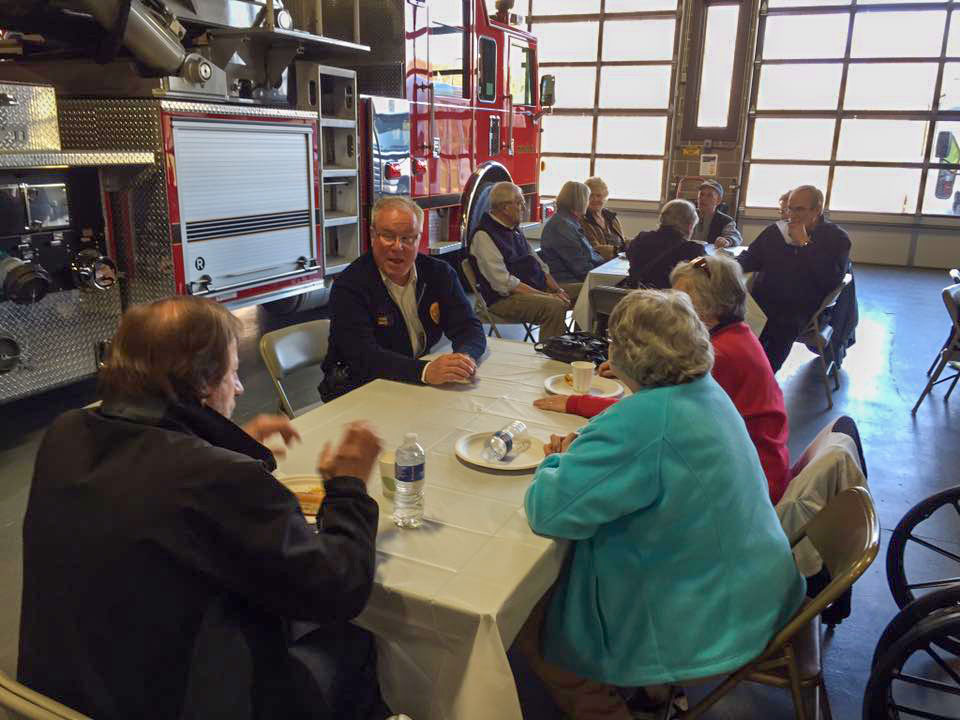
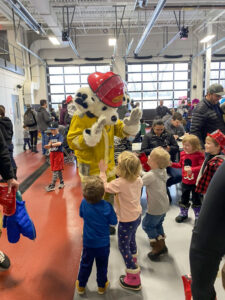
Community events give us the chance to establish those relationships first. We let children climb on the fire engine (the post also described this as a dangerous activity because the cabs are filthy, and I say, “Clean the cabs!”) and marvel at our pretty cool (and expensive) equipment. Parents ask how to keep their kids safe while neighbors meet the firefighters who protect their community. Those interactions matter far more than many of us realize.

During his time as fire chief in Minnetonka, Minn., the author saw community outreach events as an opportunity to meet citizens, build trust and share insights.

The Community Can’t Value What It Doesn’t Understand

An unattributed quote has circulated in the fire service for years:
“From outside the fire service looking in, you can never really understand it. From inside the fire service looking out, you can never really explain it.”

That statement rings true. We need to work hard to explain what we do and why we do it. We also need to let the public look in and understand how we serve the community. From structured events to ad hoc fire station tours, there are many opportunities to explain our mission and our work. 

The public doesn’t see the endless training. They don’t see the inspections, maintenance, pre-planning, EMS calls, hazardous materials responses, technical rescues or command training. Most citizens judge the entire fire department based on the few interactions they have with us throughout their lives.

If we want our communities to understand why we need staffing, training, apparatus, stations and modern equipment, we cannot simply expect them to figure it out on their own. And most departments do not have an entire staff committed to public interaction. We have to show them ourselves. Every firefighter has an opportunity to explain not just what we do, but why.
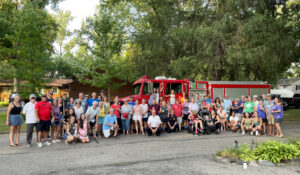
This isn’t about self-promotion. It is about organizational stewardship. We should all take ownership of how the community perceives our departments. That means we take good care of our apparatus, firehouses and ourselves. We should be effective when we do get called, and we damn well should be nice when we respond.

For decades, advertisers have used firefighters to sell everything from pickup trucks to insurance policies to breakfast cereal. Why? Because despite all the criticism institutions sometimes receive today, firefighters continue to enjoy an extraordinary level of public trust.

People still see firefighters as the good guys. We show up when someone calls, with little more than their address and the nature of their emergency. We respond, solve problems, and then we quietly leave.

Children still arrive at open houses wearing plastic helmets and turnout gear because they want to be firefighters someday. They aren’t pretending to be influencers or celebrities. They’re pretending to be us.

That trust is incredibly valuable. It has taken generations to build. It is also fragile. The best way to preserve it is through genuine human interaction.
 “It takes 20 years to build a reputation and five minutes to ruin it. If you think about that, you’ll do things differently.” — Warren Buffett

Some firefighters get frustrated when someone mentions seeing the engine at the grocery store or asks why firefighters are buying lunch while on duty. Those moments often become opportunities to get defensive. I think they are opportunities for education.

Explain that crews remain in service while shopping and respond immediately if a call comes in. Explain that firefighters rarely get a hot meal because they are interrupted to carry out our No. 1 priority: rapid emergency response. Most people aren’t criticizing us out of anger. They’re asking because they don’t understand.

Education beats defensiveness every time. The same philosophy applies to public education events. The best way to respond to an emergency is to prevent the emergency.

Some firefighters simply don’t enjoy Pub Ed, and that’s okay. Not everyone is naturally outgoing. Not everyone likes standing in front of a crowd or talking to dozens of children. But customer service has never been about doing only the parts of the job we enjoy.

It is about serving the community.

Equally important, these interactions allow us to deliver potentially life-saving information about:

  • Smoke alarms.
  • Home escape planning.
  • Cooking safety.
  • Lithium-ion battery hazards.
  • Carbon monoxide awareness.
  • CPR.
  • Fall prevention.

The list goes on.

If one conversation at an open house convinces a family to install smoke alarms or practice a home escape plan, that event may prevent a tragedy months later. Few emergency responses offer that kind of return on investment.

Public education is prevention, and public relations is trust-building. Both are core components of community risk reduction.

Ready to Respond & Represent

None of this suggests we should compromise emergency response readiness. Companies must always remain available to answer calls, and public events should never interfere with operational readiness. There needs to be a balance when it comes to structured Pub Ed assignments (I acknowledge we have a lot of other work to do, too).

But readiness and community engagement are not mutually exclusive. The fire service has always been strongest when it is deeply connected to the people it serves. That connection doesn’t happen by accident. It happens one conversation at a time. We do this through these individual contacts with the public each time we are on duty (or even off duty).

Bruno often reminded us that customer service was not an extra duty—it was the mission. Every firefighter represents the department every time they step out of the apparatus. Whether you’re talking to a kindergarten class, answering questions in the checkout line, or explaining what firefighters actually do during an open house, you’re shaping how your community views the organization.

Emergency response will always define our profession, but relationships sustain it. How the public perceives and understands us through interactions on a good day helps us carry out our mission and builds community support for it. 

If we want public understanding, continued support, and future generations inspired to serve, public education and community engagement cannot belong to just the public information officer or fire prevention division.

It is a duty that belongs to all of us because every firefighter is, and always has been, an ambassador of their department and the fire service as a whole!
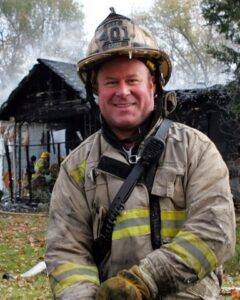
Author picture

John Vance has spent more than three decades in the fire service and has served as a chief officer since 2002. His career has taken him from Indiana to Minnesota, leading fire departments, developing people and working to make fireground operations safer, more effective and a little less complicated. He retired as a fire chief in 2024 but, like a lot of fire chiefs, apparently wasn’t very good at actually retiring.

John is a longtime Blue Card lead instructor and has spent years teaching, writing and helping fire departments develop more capable and confident incident commanders. He is an accredited chief officer through the Center for Public Safety Excellence and holds a bachelor’s degree in fire service management from Southern Illinois University and a certificate in executive leadership from the University of Notre Dame.

Before the fire service completely took over his life, John spent years in broadcasting—and he never quite got the microphone out of his system. Today, he hosts the B Shifter Podcast, where he talks with fire service leaders, instructors, researchers and practitioners about command, leadership, training and the lessons that can make the fire service better.