





Reward or Responsibility: What Drives Firefighters to Become Leaders?
May 31, 2026Reward or Responsibility: What Drives Firefighters to Become Leaders?
A challenging colleague sparks thoughts on what separates leaders who see rank as a reward from those who embrace it as an opportunity to serve.
By Terry Garrison
B Shifter Buckslip, June 2, 2026
I remember one shift when I was working overtime as a response battalion chief at a northern fire station. About halfway through my workout in the station gym, the on-duty fire captain and his wife came in. I quickly realized she was there only to watch him exercise. Her observation included continuous talk about their children and everyday marital interactions. About 10 minutes after they arrived, his company was dispatched on a medical emergency and, to my surprise, she stayed in the gym and carried on her family conversations with me as if he were still there. As soon as I was able to get a word in, I asked her how Mike liked his new captain’s role. He had just been promoted a few months earlier, and I really didn’t want to hear any more about Aunt Silvia’s medical problems. Without hesitation, she stated that he really didn’t like it because it was like being a babysitter to large children. She went on to further describe his disappointment and how he felt most firefighters were whiners. Now, I am not the smartest guy around, but I do know when not to engage in a losing conversation. I politely said goodbye and left the gym without finishing my workout. (Side note: I learned later that his wife and kids visited the fire station every shift and stayed for many hours, which annoyed everyone. His family was eventually exiled from the station. Thank goodness.)
I knew Mike. In fact, I was Mike’s fire captain years earlier, and Mike had a long reputation for being one of the biggest snivelers on the job. He even earned a nickname for bitching about every call he went on. (I won’t share the nickname here because an entire fire department would recognize it.) It seems Mike had gone from complaining about the work to complaining about the workers.
I am sharing Mike’s story because I often wonder what motivates someone like him to become a leader in the first place. We might find the answer in a quote I heard the other day from educator and writer Patrick Lencioni. “People are motivated to become leaders for basically two main reasons: reward or responsibility.” I encourage you to read his 2020 book, “The Motive,” to learn more about this topic.
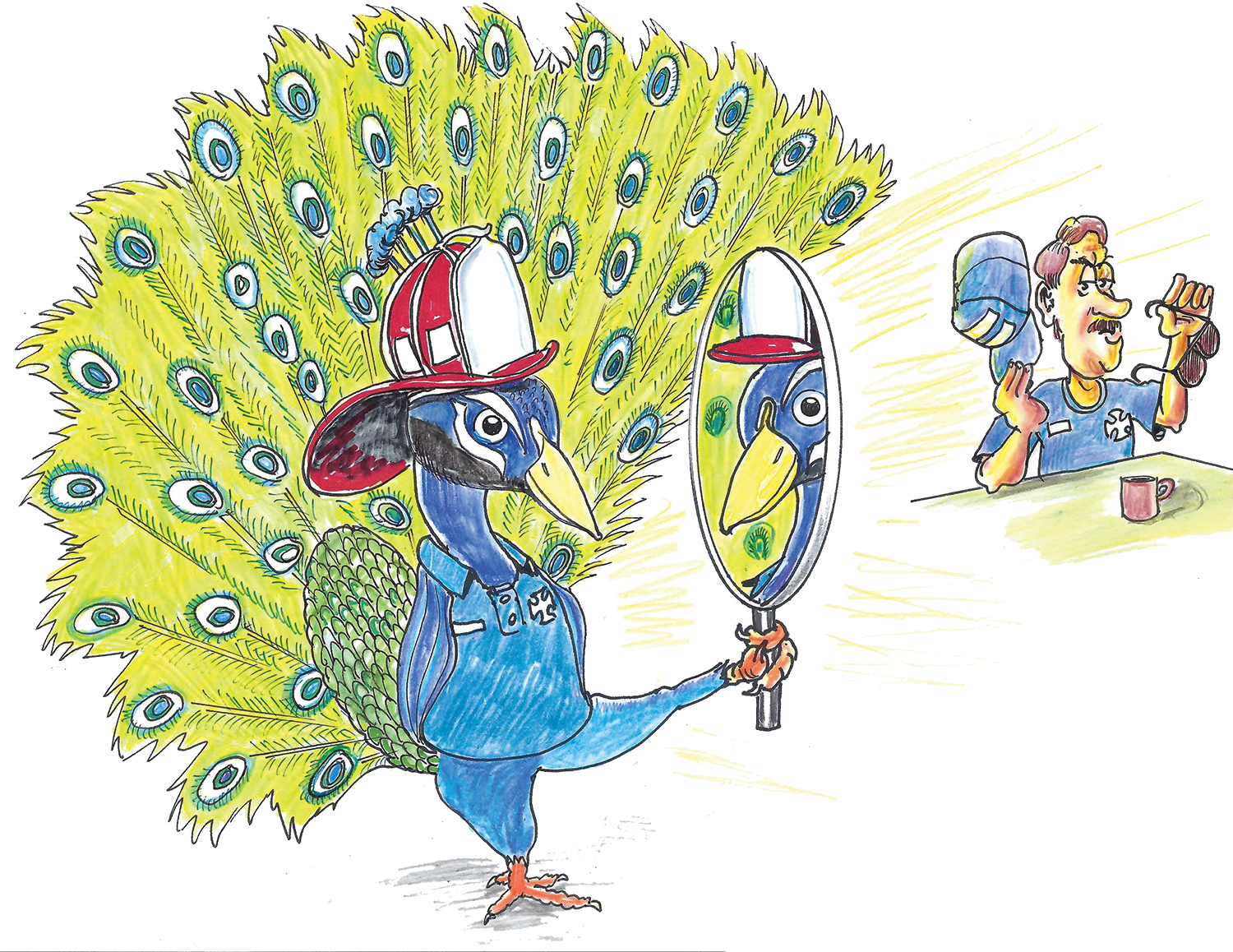
The pursuit of rank can reveal whether someone values service or self-importance.
A Cookie for Your Suffering
Reward-centered leaders view leadership as a perk and spend a great deal of time avoiding the hard work it takes to lead and influence others. These people are great at ceremonies and giving speeches, but when it comes to difficult discussions and decisions, they disappear. Reward-centered leaders often feel like they deserve the privilege of being the leader as a reward for something they did as a worker. Have you ever met anyone who felt like the world owed them something? They do not make good leaders. In retrospect, I think Mike believed he earned his leadership role because he suffered as a firefighter during his ambulance assignment and was owed the rank of fire captain. I imagine this “suffer-then-reward” cycle started during his childhood. “Poor Mikey had to mow the grass, so let’s give him a cookie.” (Bruno used to say that firefighters learn every good personality trait and character skill from their moms.) One of Bruno’s Timeless Tactical Truths accurately describes reward-based leaders: “Too much college and not enough kindergarten.”
Service Is the Reward
Responsibility-centered leaders view their roles as a duty and are willing to serve and support their workers. You will find them engaging their members and providing direction and feedback, especially during difficult times. These leaders are great to work for and, in most cases, they share the rewards of a job well done with others. They focus on doing the work and describe their position based on that work, not on their rank. The word work should seem synonymous with the word serve. After all, that is why the fire service was created: to serve.
The best leaders address conflict early and directly, rather than allowing it to linger and affect trust within the team. When correction is needed, they listen first and take time to understand context before responding. They remain present and engaged during difficult periods, making themselves available to members rather than stepping back from the challenges. This consistency builds trust over time. The workers know what to expect from them: fairness, clear expectations and a willingness to engage directly when issues arise.
I know we have all seen both types of leaders in the fire service. Unfortunately, it is sometimes difficult to tell what motivates someone to promote into a leadership position and what type of leader they may become. Of course, with Mike, it was obvious early on, but he was promoted anyway. We all know that sometimes it happens. The best organizations instruct, challenge and observe their prospective leaders long before the promotional exam with classes, move-up opportunities, mentoring and specific leadership academies. Anyone considering a promotion should take some time to reflect. Why do they want to promote in the first place? Do they aspire to leadership because they value service and responsibility, or because they feel owed the higher rank and title? When conflict arises, do they step up or run away? Perhaps most importantly, do they view the workers as problems to solve or as assets to develop? The answers to these questions often reveal more about our leadership potential than any exam or assessment ever will.
There is so much more that I could say about this topic, but I think you get the point. These articles are designed to get you thinking and help you look at yourselves and your organization to determine where you are on track and where you may want to improve. But I do have to share one more thought about what motivates someone to promote into a leadership position, and this one comes from my partner in crime, Nick Brunacini. When I asked Nick why he decided to take the promotional test for chief officer, his answer was simple, straightforward and one that I could easily agree with at the time. He said, “So I wouldn’t have to work for those other knuckleheads who are taking the test.” I wonder how Patrick Lencioni would describe that chapter in his book.
In 2007, Terry Garrison retired from the Phoenix Fire Department after serving more than 30 years. Working for Alan Brunacini and reaching the rank of assistant chief of operations helped shape Terry’s consistent values: firefighter safety and customer service. After a quick retirement, Terry served as the fire chief of the Oceanside (Calif.) Fire Department for almost three years. He then served as the chief of the Houston Fire Department for more than five years. Terry eventually moved back to where he was raised and served as the fire chief for the Glendale (Ariz.) Fire Department for more than six years before officially retiring from government service. Including his two years in the U.S. Army, Terry has worked for the government and worn a nametag and a helmet for more than 47 years. (Thank goodness for helmets.) In addition, he has traveled throughout the world teaching Fire Command, utilizing his master’s degree in education. Today, Terry and his wife, Annette, live in Phoenix. He will continue to stay connected to the fire service by working with B Shifter.