

AUTHOR DRAFT. DO Not Post. Mrs. Smith Doesn’t Care
Mrs. Smith Doesn’t Care

Why operational flexibility is the future of the fire service in a changing world.

By John Vance
B Shifter Buckslip, July 14, 2026

Key Takaways

  • Traditional engine and truck roles should support the mission, not limit it.
  • Operational flexibility improves customer service, firefighter safety and incident performance.
  • Structured command systems like Blue Card enable flexibility without sacrificing accountability.
  • Mrs. Smith doesn’t care who solves the problem. She cares that it gets solved safely and effectively.

For decades, the fire service built strong identities around company functions. Engine companies stretch lines. Truck companies force doors, search and ventilate. Those roles created order, accountability and expertise, and at one time they made perfect sense. But today’s operating environment demands something different. Staffing is tighter in many areas. Incidents are more complex. Buildings are different. Fire behavior has changed. Expectations are higher. Yet in some places, we cling to rigid definitions of “what we do” rooted in traditions that no longer reflect reality.

You still hear it on the fireground and around the kitchen table: “We’re a truck company. We don’t do that.” 

mrs smith calling 911_Horiz_3

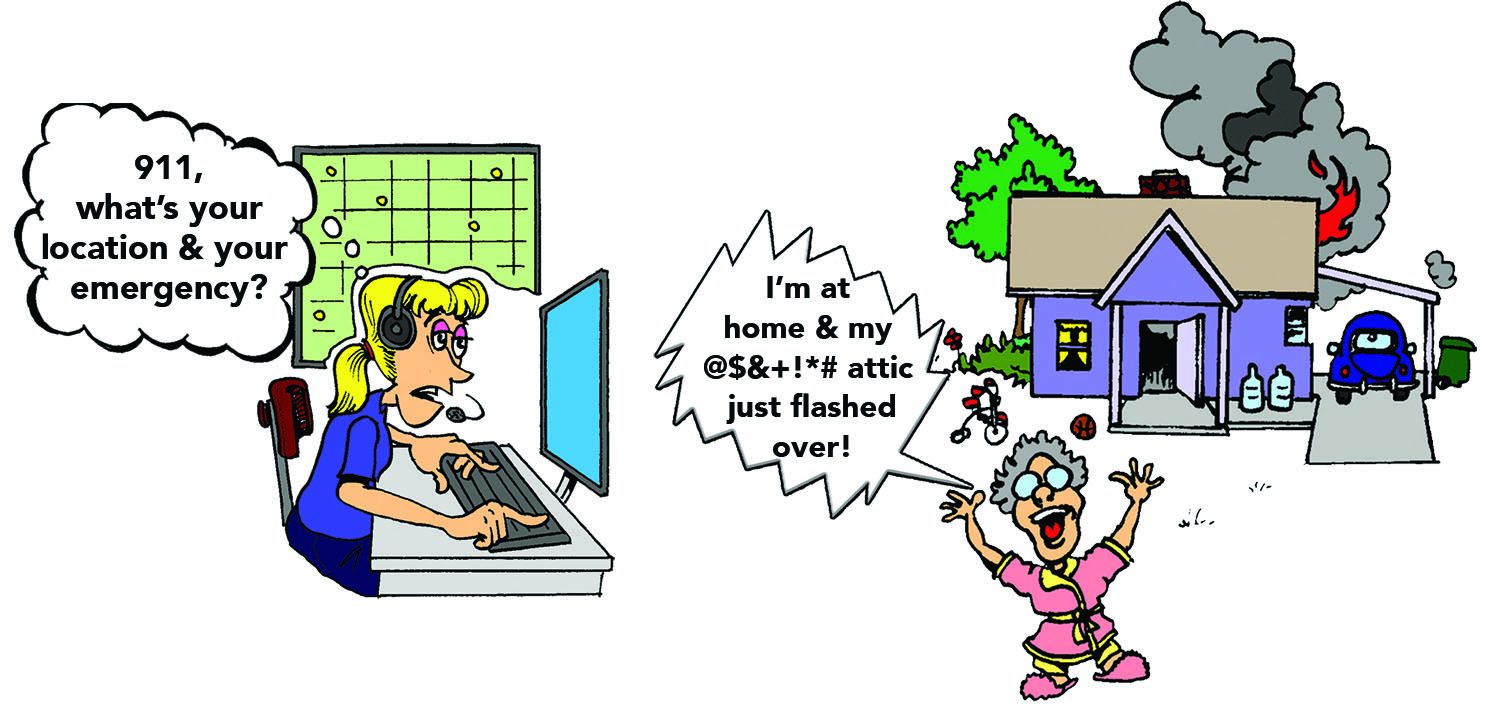
The problem is, the fire doesn’t care. The clock doesn’t care. And Mrs. Smith definitely doesn’t care whether you are assigned to an engine, truck or unicycle. She doesn’t care about assignments, traditions or internal labels. She only cares about one thing: that someone shows up, solves her problem and does it safely. That’s the job. That’s the standard. And that’s why Bruno’s customer service mindset continues to resonate. It reminds us who we really work for.

Bruno’s customer service approach reframes the conversation.

It puts the citizens and the work we do at the center of everything. If our primary objective is to solve the customer’s problem while managing risk, flexibility becomes essential, not optional. The incident will demand what it demands, regardless of the patch on your sleeve or the seat you rode in on the way there.

This doesn’t mean abandoning discipline or turning operations into freelancing. In fact, it’s the opposite. It means operating within a structured command system, such as Blue Card, that clearly defines strategy, assigns tasks and maintains accountability while allowing companies to remain adaptable in how they achieve objectives. Flexibility within a system is what creates high performance. Rigidity without context creates gaps.

There’s a difference between tradition and stagnation. Tradition can guide us. It can preserve lessons learned and maintain standards. But when tradition turns into an excuse to avoid change, it becomes a liability.

A recent article by Fire Chief Kris Blume with the Meridian (Idaho) Fire Department highlighted an important tension that many in the fire service recognize but don’t always discuss. Union contracts are essential. They protect wages, benefits and working conditions, things that matter. They ensure that firefighters are treated fairly and compensated appropriately for the risks they take. That’s not up for debate. But when those same contracts begin to dictate how a fire department operates on the emergency scene, things can get complicated. Leaders need to make operational decisions based on what is best for the incident, not on rigid interpretations of job descriptions that may no longer fit the modern fireground.

I recently witnessed this firsthand. A well-staffed department with strong resources and capable people found itself struggling, not because of a lack of talent or commitment but because of inflexibility. Some union officers resisted changes clearly designed to improve safety and performance. Forward-thinking chiefs introduced new programs grounded in modern fire dynamics, risk management and command performance. But instead of engaging in the process, there was resistance. The prevailing attitude was, “This isn’t how we’ve always done it.” There was even a tendency to play the victim, as if adaptation itself were an attack
That mindset is dangerous.

Because while we’re debating roles and protecting silos, the environment around us keeps changing. Fires move faster. Buildings fail quicker. Lightweight construction, synthetic fuels and open floor plans have altered the game. Add in staffing challenges, increased call volume and expanding service expectations, and it becomes clear: We cannot afford to operate in a way that limits our effectiveness.

Flexibility is not about doing more with less in a way that exploits firefighters. It’s not about abandoning protections or asking people to operate unsafely. It’s about aligning our capabilities with the realities of the job. It’s about ensuring that every company on scene can contribute to solving the problem, within a clear command structure, without being handcuffed by outdated boundaries.

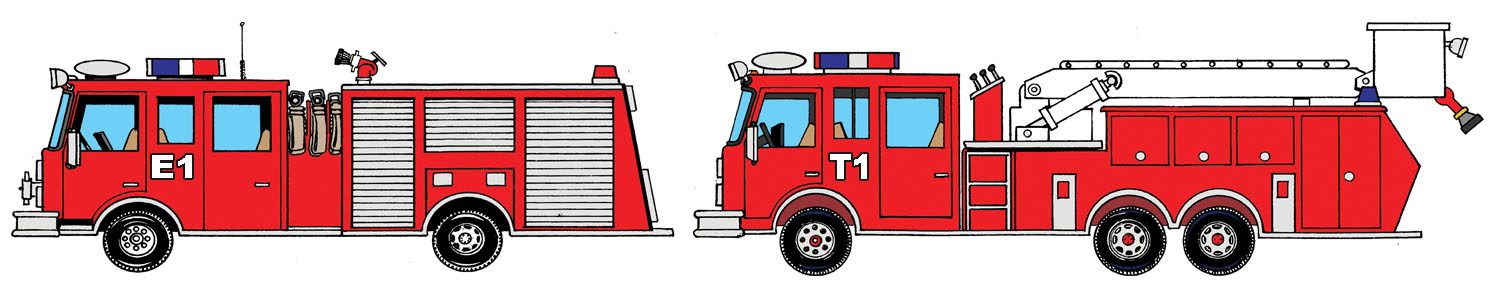
A truck company that can’t stretch a line when needed is a liability. An engine company that can’t perform basic truck functions when conditions demand it is equally limited. Cross-functionality built on training, standards and accountability is what allows departments to maintain effectiveness when conditions aren’t perfect, and conditions are rarely perfect.


engine_truck

The fire service has always prided itself on adaptability. We solve problems. We overcome challenges. We figure it out. But somewhere along the way, in some departments, identity became more important than mission. That has to change.

We can respect the past without letting it trap us. We can support labor while having honest conversations about operational flexibility. We can maintain high standards while expanding capabilities. These things are not mutually exclusive.

This is where leadership matters. Chiefs and company officers must set the tone. They have to communicate the “why” behind changes. They have to connect flexibility to both customer service and firefighter safety. Because at the end of the day, those two things are inseparable. You cannot truly serve the customer if you are operating in a way that puts firefighters at unnecessary risk. And you cannot protect firefighters if you are unwilling to adapt to the realities of modern incidents.

It also requires trust. Trust that leadership is making decisions in the best interest of the organization. Trust that training will support expanded capabilities. Trust that accountability systems will remain intact. And trust that flexibility won’t turn into chaos.

That’s where structured systems come into play. A solid incident command system provides the framework that allows flexibility without losing control. Clear assignments, defined objectives, standard terminology and disciplined communication ensure that even when companies are performing beyond their traditional roles, they still operate in a coordinated and predictable manner.

The alternative is fragmentation. Silos. Delays. Missed opportunities. Increased risk.

And again, Mrs. Smith doesn’t care about any of that. She just knows that when she calls 911, she expects a professional response. She expects competence. She expects coordination. She expects results.

The world is changing. Our communities are changing. The fireground is changing.

If we fail to evolve thoughtfully, deliberately and professionally, we risk becoming less effective. And in this job, less effective doesn’t just mean slower service or minor inefficiencies. It means increased risk. It means preventable injuries. It means missed opportunities to become more effective.

Flexibility is not the enemy. It’s the path forward. Mrs. Smith is counting on it. And so are the firefighters going through the front door.

Author picture

John Vance recently retired as a fire chief after 22 years in the front office. He is currently a battalion chief with the Chanhassen (Minn.) Fire Department; he has been a chief officer since 2002. He is a proud Blue Card lead instructor and an accredited chief officer through the Center for Public Safety Excellence. John has a bachelor’s degree in fire service management from Southern Illinois University and a certificate in executive management from the University of Notre Dame. He is the host of the B Shifter Podcast.