




“We don’t feel very close as an organization.” Our chiefs share their advice for creating cohesive departments.
December 6, 2025Ask the Chiefs
“We don’t feel very close as an organization.” Our chiefs share their advice for creating cohesive departments.
By Terry Garrison & John Vance
B Shifter Buckslip, Dec. 9, 2025
Dear Chiefs,
I really care about my department, but we just don’t feel very close as an organization. There doesn’t seem to be much of a team vibe. Do you have any advice on how we can become more connected and focused?
Signed,
Dedicated but Disconnected
Great question. The best way for a group of coworkers to come together is to have a shared goal where everyone feels invested and knows their input matters.
Start with a Shared Goal
I have seen fire departments attempt this by developing a strategic plan, but the biggest problem is that not everyone feels included. The worst case scenario is when the department hires an outside consultant and works with only a small group of people, usually chief officers and labor leaders, to develop the plan with no worker input. This rarely works; the consultant leaves town and the plan is soon forgotten on a shelf in the chief’s office.
Mission Statements Matter—If Done Right
Some organizations go a bit farther, developing mission statements, strategic goals and organizational objectives, but these also fail to gain traction. Don’t get me wrong, we need to state our shared goals and organizational values in a mission statement that everyone fully supports. In my opinion, the statement must focus on the work (the customers) and the workers providing the service. It should be memorable, understandable and simple. In the three organizations I was fortunate to lead, our mission statement was “Be Safe, Be nice and Be Accountable.” We defined what this meant and then used the Accountability Model to support our mission statement:
1. Establish expectations for everyone.
2. Train on those expectations.
3. Monitor performance.
4. Hold people accountable (both good and bad).
Training Builds Real Bonds
Your concern for the closeness of your department is inspiring. The fact that you care and want things to improve is a great start. I believe your best approach is an organizational training program that emphasizes service and safety. Believe me, it’s far better to pat a firefighter on the back for a job well done in training than to comfort them after losing one of our own.
The mission statement becomes the banner we serve under, but in my opinion, there are only two ways firefighters come together and demonstrate they really care about each other.
The first is through extensive organizational training. Real teamwork and bonding occur when we train together and learn our individual roles. This is why Chief Alan Brunacini was so successful during his 29 years as our fire chief and why we felt like an organizational family. The Phoenix Fire Department (PFD) mission statement was, “Survive, Prevent Harm and Be Nice.” We were always improving the work we did through continual change, which required organizationally focused training. Everyone knew their role, and everyone wanted to do better for the customer and for their crew/team.
Training builds camaraderie. Think back to the times in your career when you felt most closely connected to your fellow firefighters. I bet you’ll recall the training academy. I know firefighters with more than 40 years of experience—some now retired—who still feel incredibly close to the members of their recruit class. Training places everyone on the same level with equal intent.
In the military, they sometimes refer to each other as “battle buddies” because of their shared experiences. As I write this, it is Veterans Day, and I can’t help but think fondly of the people I trained with in boot camp in 1974. That training developed bonds through shared accomplishments because none of us was in it alone. We depended on each other, built trust, and succeeded (or not) as a team. In a similar way, firefighting is a team sport. (Fortunately, we don’t have to get shot at to build close connections.)
Your best approach is an organizational training program that emphasizes service & safety. It’s far better to pat a firefighter on the back for a job well done in training than to comfort them after losing one of our own.
The second way firefighters come together is the worst way: a line-of-duty death (LODD). Any organization that suffers an LODD will unite to support the families of their fallen firefighter(s) and to help the members most profoundly affected by the event—friends, crew, command staff, and others who worked the incident. In fact, every member of the organization will feel the impact. Obviously, an LODD is not the way any of us would choose to bring a department together.
In many cases, an LODD brings department members together for only a short period of time. After a while, people may slip back into old patterns. Bruno used to say that if you want to see how the members of an organization will treat each other two weeks after a tragic event, watch how they treat each other two weeks before a tragic event.
This brings me back to my initial point: the only way to maintain those bonds is through training and learning from the tragedy. During my time with the PFD, the period when we were most aligned was after the Bret Tarver LODD, when the entire department trained to ensure it would never happen again. Losing Bret brought us together, but it was the training that kept us that way.
Your concern for the closeness of your department is inspiring. The fact that you care and want things to improve is a great start. I believe your best approach is an organizational training program that emphasizes service and safety. Believe me, it’s far better to pat a firefighter on the back for a job well done in training than to comfort them after losing one of our own.
—Terry Garrison
The fact that you care enough to ask this question puts you ahead of the game. A lot of people sense the same problem—a department that’s technically functioning but emotionally disconnected—and they just live with it. The truth is that a cohesive department and focus don’t happen by accident. They’re built intentionally through leadership, shared purpose and small, consistent actions that create trust. Let’s look at that.
1. Start with the “Why”
Departments often lose their sense of connection when people forget why they exist. In the fire service, it’s easy to get buried under tasks, schedules, inspections, politics and staffing challenges. But at our core, we’re here for one thing: to take care of Mrs. Smith.
When everyone in your organization connects back to that mission, walls start to come down. It reminds people that they’re part of something bigger than themselves, and it re-centers the job around service instead of ego or position. Leaders can reinforce this every day in small ways, like during tailboard talks, training, meetings or even casual conversations. The consistent message should be: We are here to serve our community, and we can’t do that without serving each other, too.
2. Build Trust One Action at a Time
We don’t build trust through slogans, plaques or redesigning department patches. It’s built when people consistently do what they say they’ll do. If you want a more cohesive department, start by strengthening individual trust.
That means officers showing they’ve got their people’s backs—not just in a fire but in the station. It means admitting mistakes instead of hiding them. It means acting on feedback and being transparent about decisions, even the tough ones. Trust grows when firefighters see that their leaders and their peers are reliable, fair, and honest.
If you’re not in a leadership role, you can still model this. Be the person who keeps their word, who trains hard, and who helps others succeed without expecting anything back. Trust is contagious. Remember the old adage: “Trust is earned slowly and lost quickly.”
3. Make Training the Great Equalizer
Departments often feel divided because training standards, expectations or experiences vary from shift to shift or crew to crew. Nothing brings people together like shared reps under a common system.
When everyone speaks the same operational language, whether it’s Blue Card, local SOGs or another framework, teamwork improves automatically. It takes the guesswork out of who’s doing what and lets people focus on the mission instead of personalities.
Make training realistic, scenario-based and inclusive. Involve every rank, from the newest firefighter to the chief. The goal isn’t just skill development, it’s connection. Firefighters who sweat, problem-solve and succeed together build bonds that last far beyond the drill ground.
If you want a tighter, more focused department, start small.
Focus on your crew, your shift, your influence. Be consistent.
Lead with empathy & accountability.
4. Kill the “Us Versus Them” Mentality
In disconnected departments, there’s often an unspoken divide. Shift versus shift, admin versus line, veterans versus rookies, career versus on-call—that kind of division destroys trust faster than anything.
To bridge these chasms, start with communication. Leaders must be visible and accessible. Chief officers should visit other stations, share information and invite input. Firefighters should have opportunities to give feedback that actually goes somewhere.
Maybe most importantly, celebrate success department-wide; don’t just spotlight the high performers or one shift’s big save. Share the wins across the whole organization. When everyone feels part of the same story, ownership grows and pride develops.
5. Create Opportunities for Connection Beyond the Fireground
Culture isn’t built only while on duty. It’s also forged in the kitchen, at the grill or at a charity event. Firefighters are social by nature, but in many modern departments, the pace of work, call volume and personal schedules have eaten away at downtime.
Make the effort to bring people together intentionally. Organize a department BBQ, volunteer as a group, start a fitness challenge or run a “family day.” These might seem like small steps, but they’re powerful. When people connect as humans—not just as coworkers—empathy grows.
One of Alan Brunacini’s favorite lines was, “If you want your people to take care of Mrs. Smith, take care of your people first.” Taking care of them doesn’t always mean another policy or memo; sometimes it just means breaking bread together and laughing.
6. Clarify Expectations & Standards
A lack of focus often comes from unclear expectations. When firefighters don’t know what “right” looks like, every crew makes up its own version—and unity disappears.
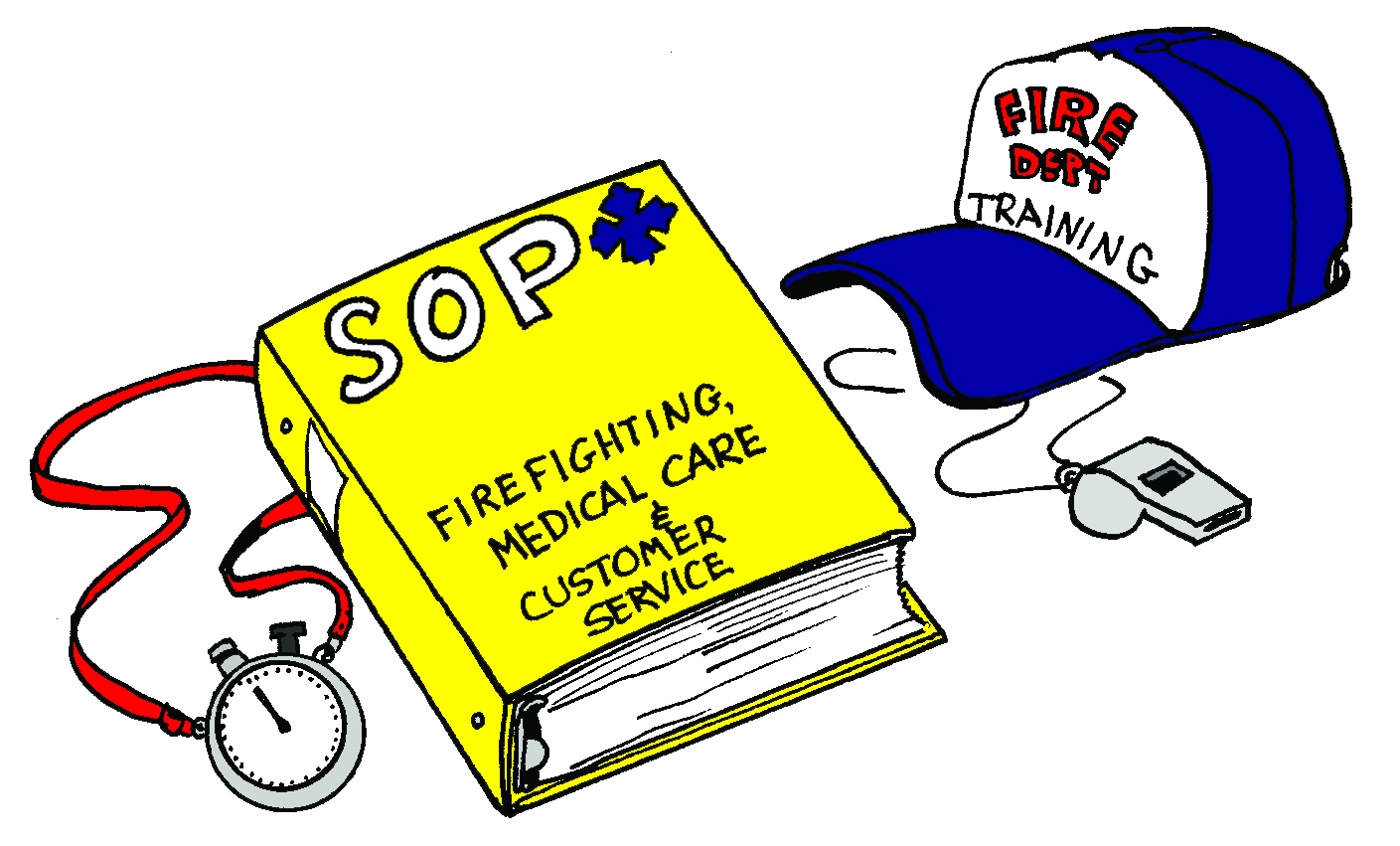 Develop clear, written and practiced standards that align with your mission. That includes operational standards (how we run calls), behavioral standards (how we treat each other) and service standards (how we treat our customers).
Standards give people something to aim for, and they protect the organization from drifting into mediocrity. They also create fairness. Everyone is held to the same bar, which builds respect and consistency.
7. Lead from Every Seat
Culture doesn’t change just because the chief says it should. It changes when the informal leaders—the firefighters and company officers—live the right values every day.
If you want a tighter, more focused department, start small. Focus on your crew, your shift, your influence. Be consistent. Lead with empathy and accountability.
Others will notice, and over time, your pocket of excellence will spread. That’s how culture actually changes—one station, one crew, one day at a time.
8. Keep the Mission Simple & Repeat It Often
Fire departments sometimes overcomplicate their vision with long, wordy mission statements that nobody remembers. Keep it simple: Be safe. Be nice. Be effective.
If every member of your department practiced those three things—safety for themselves and others, kindness to each other and the public, and being effective in our mission—you’d see an immediate shift in culture.
Reinforce that message daily in daily roll calls, critiques and casual conversations. Simplicity drives clarity. Clarity drives unity.
9. Don’t Wait for Permission
Finally, don’t wait for a memo, policy or meeting to start building closeness. You can begin today. Invite someone from another shift to lunch. Give credit generously. Say thank you. Train hard. Be curious about others’ perspectives. Talk nicely about others. Model what “team” looks like.
When you care about your department, the best way to prove it is to act like it’s already the team you want it to be. Others will follow that energy.
Bottom line: Closeness and focus come from shared purpose, clear standards, and real human connection. Departments that work for each other, not just with each other, become unstoppable. You can start that change right where you are.
—John Vance
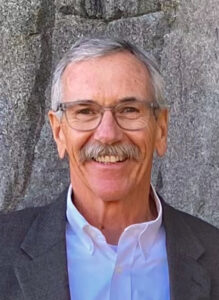
In 2007, Terry Garrison retired from the Phoenix Fire Department after serving more than 30 years. Working for Alan Brunacini and reaching the rank of assistant chief of operations helped shape Terry’s consistent values: firefighter safety and customer service. After a quick retirement, Terry served as the fire chief of the Oceanside (Calif.) Fire Department for almost three years. He then served as the chief of the Houston Fire Department for more than five years. Terry eventually moved back to where he was raised and served as the fire chief for the Glendale (Ariz.) Fire Department for more than six years before officially retiring from government service. Including his two years in the U.S. Army, Terry has worked for the government and worn a nametag and a helmet for more than 47 years. (Thank goodness for helmets.) In addition, he has traveled throughout the world teaching Fire Command, utilizing his master’s degree in education. Today, Terry and his wife, Annette, live in Phoenix. He will continue to stay connected to the fire service by working with B Shifter.
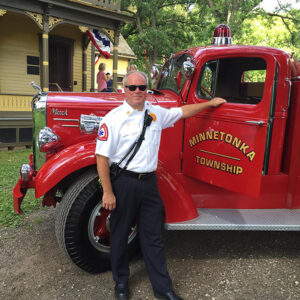
John Vance recently retired as a fire chief after 22 years in the front office. He is currently a battalion chief with the Chanhassen (Minn.) Fire Department; he has been a chief officer since 2002. He is a proud Blue Card lead instructor and an accredited chief officer through the Center for Public Safety Excellence. John has a bachelor’s degree in fire service management from Southern Illinois University and a certificate in executive management from the University of Notre Dame. He is the host of the B Shifter Podcast.